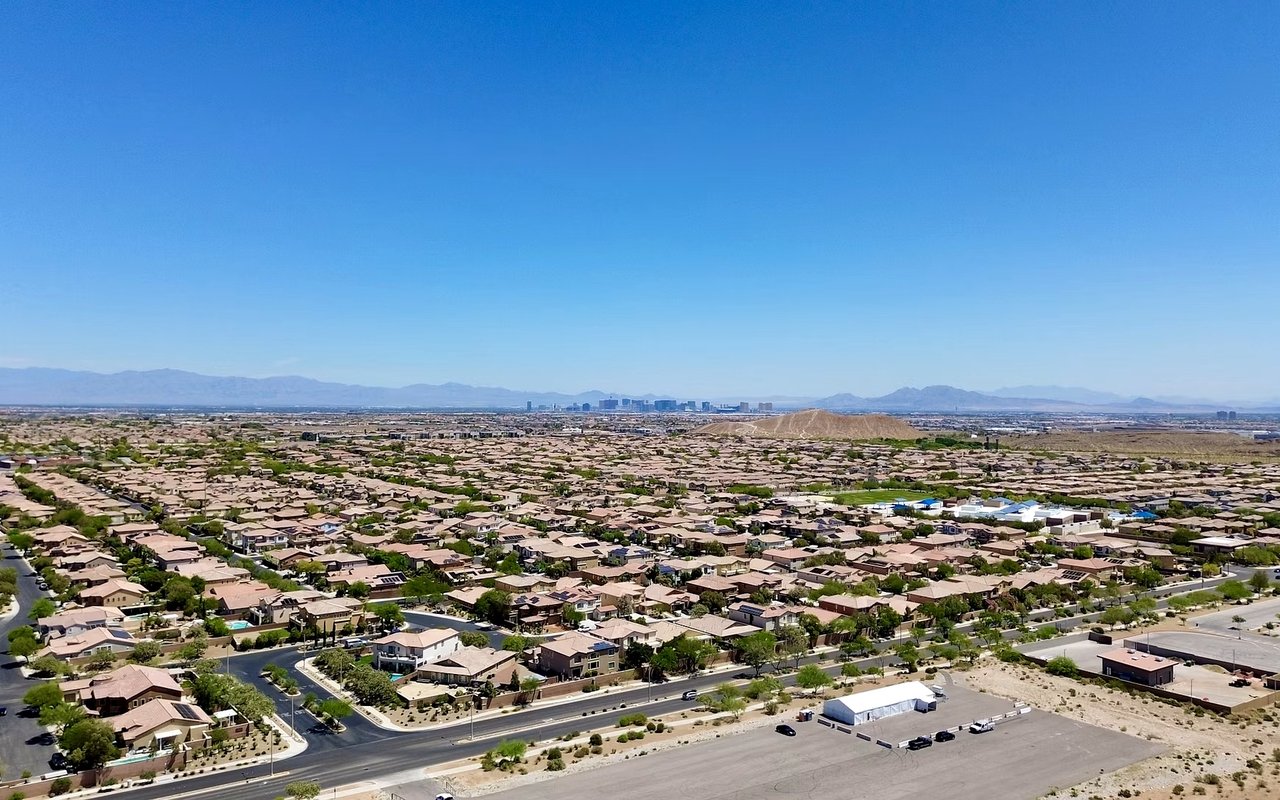
Are you in the market for investment properties in Las Vegas? Sin City is a smart place to invest your money, whether you've been buying homes and apartments to rent in this area for a while or you're looking to broaden your financial horizons in a new city.
Before you commit to a place within the city limits, there's a number of things you should and shouldn't do to make the best moves in this hot spot. Here are 6 do's and don'ts when buying investment properties in Las Vegas to help you enjoy the benefits and avoid the pitfalls of joining the real estate game in Southern Nevada.
Las Vegas Investment Market at a Glance
Stat | 2026 Figure |
|---|---|
Investment property mortgage rates | ~7.1%–7.6% |
Average cap rate (single-family rentals) | 5.0%–5.5% (up to 6.2% in North Las Vegas and the east valley) |
Year-over-year rent growth | ~4% |
Metro job growth (past year) | +28,400 jobs (2.6%), outpacing the national average |
State income tax | None |
Rates on investment properties are elevated right now, running roughly half a point to a full point higher than primary-residence rates. Even so, Las Vegas continues to draw investors thanks to steady rent growth, tight rental inventory, no state income tax, and one of the strongest job markets in the country. The available homes in Las Vegas can be sound investments — you just need to go in with realistic numbers.
Do's & Don'ts at a Glance
✅ Do | ❌ Don't |
|---|---|
Consider the tax benefits (deductions, 1031 exchanges, no NV state income tax) | Underestimate the responsibilities of being a landlord |
Take property type into account | Skip researching local real estate trends |
Stay aware of the changing economic landscape | Slack when computing the numbers |
What Should You Do When Buying Investment Properties in Las Vegas?
Before you take a chance on reaping the benefits of a successful investment property in Southern Nevada, learn as much as you can about real estate in this area — it's easy to spend a million dollars or more on properties in and around Las Vegas. Keep these three things in mind when looking for the right investment property for you.
1. Consider the Tax Benefits
The first thing to do when buying investment properties in Las Vegas is consider the tax benefits:
- Mortgage interest, property taxes, and insurance premiums are generally deductible against your rental income
- Depreciation ("wear and tear") on the property can offset taxable income over time
- A 1031 exchange lets you sell one rental property and roll the proceeds into another without paying capital gains tax right away
- Nevada has no state income tax, which can meaningfully boost your net rental yield compared to other states
Make sure you're well versed in the advantages and disadvantages of both Nevada's property and income tax rules before you pursue these breaks.
2. Take Property Type Into Account
The second thing to think about when investing in rental properties in Sin City is property type. Once you've decided you're in the market for a rental, hone in on the type of property that will help you reach your goals, while taking the city's attractions and amenities into consideration. Options range from:
- Renting out part of your current residence
- Buying a single-family rental home
- Buying a vacation home or short-term rental
- Buying a condo or high-rise unit
If you're focusing on the Las Vegas area, think about attractions like the mountains, golf courses, and the Las Vegas Strip that draw the city's tourists, families, and retirees.
3. Be Aware of the Changing Economic Landscape
The third thing to keep in mind is Las Vegas's shifting economic landscape. In addition to learning about the local real estate scene, get ahead of the game by thinking about the industries establishing themselves here and how your property could appeal to renters who work for them.
Non-gaming private-sector employment has grown for six straight years, led by healthcare, data centers, logistics, and technology — Intermountain Health, for example, is building Nevada's first standalone children's hospital near UNLV. The city's growing pro-sports economy, anchored by the Raiders, the Golden Knights, and the incoming Athletics, is also reshaping demand in nearby neighborhoods. Understanding today's job market — not the one from a few years ago — will help you spot where renters are headed next.
What Should You Avoid When Buying Investment Properties in Las Vegas?
If you know what to do when spending money on Las Vegas real estate, you can avoid setbacks by also knowing what not to do when searching for and paying for investment properties. The drawbacks of buying investment property often stem from financial issues and tax problems.
It's easy to think you've found a golden property and then run into difficulties. It's best to understand the risks before diving head-first into this competitive market — rental properties aren't the ideal financial move for everyone in Las Vegas, so keep these don'ts top of mind as you invest for the long term.
4. Don't Underestimate the Responsibilities of Being a Landlord
The fourth thing to avoid is underestimating what it means to be a landlord. Because Las Vegas renters pay high rent, they expect a landlord who is available when issues arise and responsive in day-to-day life. Becoming a landlord means committing time and energy to:
- Being reachable for repair requests and emergencies
- Budgeting for regular maintenance and upkeep
- Screening and managing tenants
- Staying current on Nevada landlord-tenant law
Before you take on an extra property, consider how these responsibilities might affect your day-to-day life.
5. Don't Forget to Research Local Real Estate Trends
The fifth thing to remember when investing in rental properties in Sin City is researching local real estate trends. Even though learning about the Las Vegas market seems like a given, pay attention to factors like zoning laws while looking for rentals. Understanding local neighborhoods — including schools, transportation, and recreation — will help narrow your search.
Tenants are drawn to locations with ample shopping and dining nearby, so focus on both up-and-coming communities and ones that have been thriving in Las Vegas for a while to find hidden gems.
6. Don't Slack When Computing the Numbers
The sixth thing to avoid is slacking when it comes to the numbers. There are easy-to-use tools, like online mortgage calculators, at your disposal — use them to estimate your true monthly costs, including:
- Down payment
- Mortgage principal and interest
- Property taxes and insurance
- HOA fees, if applicable
- Ongoing maintenance and vacancy costs
Take the time to see whether buying an investment property in Nevada makes sense for you this year. An informed move now sets you up for smart investment practices that pay off later.
Luxury Homes and Premier Neighborhoods in Las Vegas
Before you commit to buying an investment property in Las Vegas, familiarize yourself with the current housing market as it pertains to the city's wealthiest homeowners and the amenities they require for everyday life. The construction of luxury homes and the development of premier neighborhoods in and around Las Vegas and Henderson are important trends to watch as you move forward with your investment strategy — see our full breakdown of the wealthiest neighborhoods in the Las Vegas Valley for more detail.
Because Las Vegas is home to so many impressive mansions, expansive lots, and gated communities, be wary of how exclusive golf course communities affect investment opportunities in this area. Buying on a golf course can be tempting, especially given the city's appeal to wealthy residents who value recreation, but these properties can lose their intrigue over time as newer, fancier courses and communities continue to go up. Because Las Vegas keeps attracting affluent residents with high expectations for amenities, these exclusive communities will likely continue to grow and hold their value at the top of the market.
It's worth learning about the area's leading neighborhoods in detail — watch which new luxury homes are going up in elite residential communities, and avoid spending money on older homes that are losing value over time.
The Next Steps Toward Buying Investment Properties in Las Vegas
Now that you've worked your way through these 6 do's and don'ts of buying investment properties in Las Vegas, create an informed plan of action and start making money. These things to do and not to do when buying houses and apartments to rent hold true in a number of cities around America, though they're designed especially for real estate investors in Sin City. If you're ready to try your hand at becoming a real estate investor, I would be happy to share my knowledge as the Las Vegas dream home specialist — please don't hesitate to connect with me today.